
General Overview of Inheritance Tax in the UK
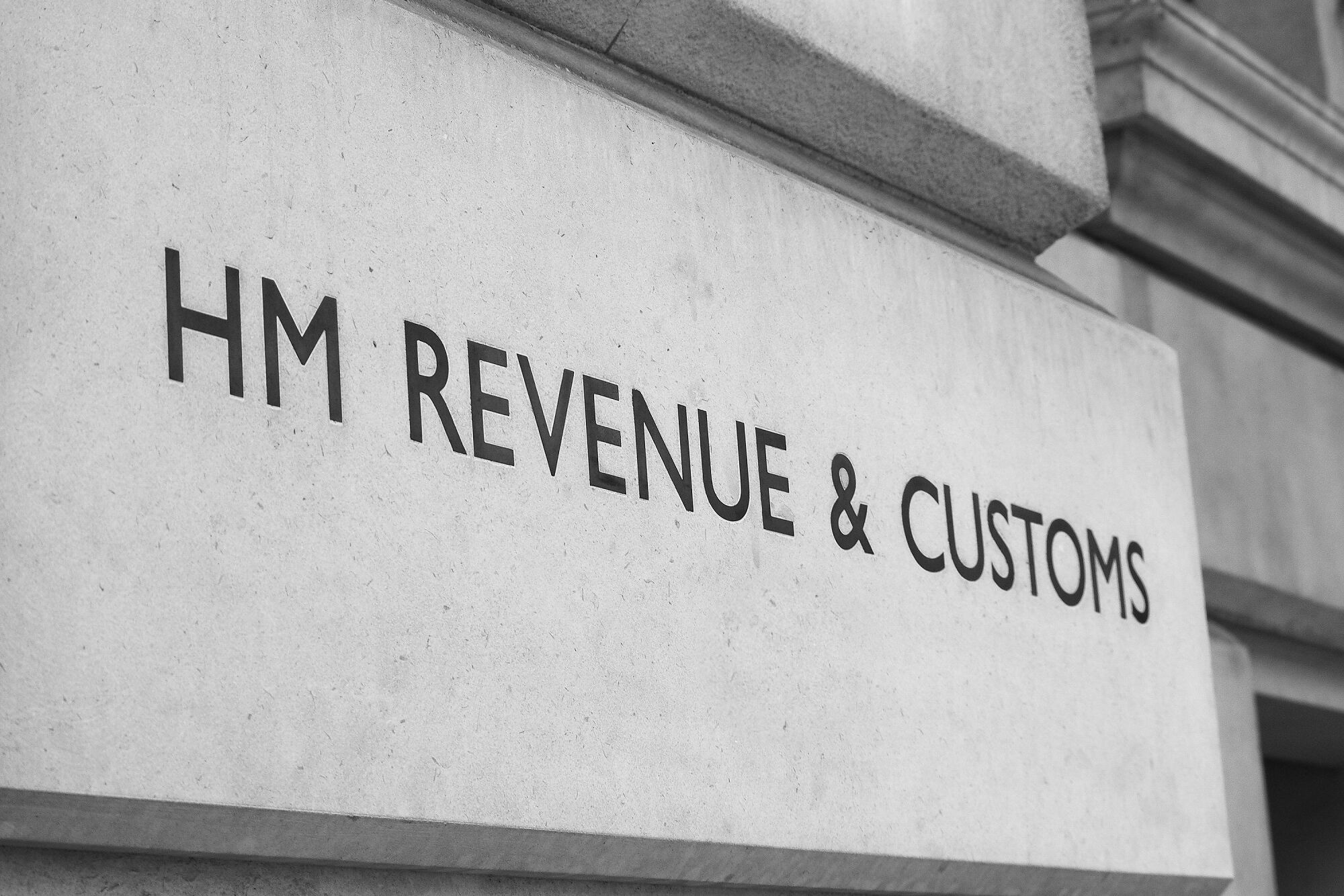
Inheritance Tax (IHT) is a tax charged on a person’s estate when they die. An estate includes property, money, investments, and personal possessions. In the UK, IHT is administered by HM Revenue & Customs (HMRC).
The standard rate of Inheritance Tax is 40%, and it is usually applied to the value of the estate above a certain threshold, known as the “nil-rate band.” Currently, the nil-rate band is £325,000 per individual. This means that if the total value of someone’s estate is below £325,000, no IHT is payable. If it exceeds that amount, the excess is generally taxed at 40%.
There is also an additional allowance called the residence nil-rate band (RNRB), which may apply if a person leaves their main home to direct descendants (such as children or grandchildren). This can increase the total tax-free threshold, potentially allowing a married couple or civil partners to pass on up to £1 million free of IHT, depending on their circumstances.
The 7-Year Rule
Under the 7-year rule, if you make a gift to an individual and survive for seven years from the date of the gift, the gift will generally fall outside your estate for IHT purposes.
If you die within seven years of making the gift, the value of that gift may be brought back into your estate and could be subject to IHT. However, taper relief may apply if you survive more than three years after making the gift.
For example:- 0–3 years: no reduction (full 40% rate, if applicable)
- 3–4 years: 20% reduction in the tax due
- 4–5 years: 40% reduction
- 5–6 years: 60% reduction
- 6–7 years: 80% reduction
The £3,000 Annual Gift Allowance
In addition to the 7-year rule, UK tax law provides specific exemptions for smaller, regular gifts. One of the most useful is the annual exemption, which allows an individual to give away up to £3,000 each tax year without it being added to the value of their estate for IHT purposes.
This £3,000 annual gift allowance applies per donor, not per recipient. You can give the entire £3,000 to one person or split it between multiple individuals.
If you do not use the full £3,000 allowance in one tax year, you can carry forward the unused amount to the following tax year—but only for one year. This means that, in some cases, you could gift up to £6,000 in a single tax year if you did not use the previous year’s allowance. The £3,000 allowance can also be used alongside other exemptions, such as the small gifts allowance, provided the same gift is not covered by more than one exemption.The £250 Small Gift Allowance
Another useful exemption is the small gifts allowance. This allows you to give up to £250 per person per tax year to as many individuals as you like, free of Inheritance Tax.The key conditions are:
- The gift must not exceed £250 to that individual in that tax year.
- You cannot combine the £250 small gift allowance with the £3,000 annual exemption for the same person in the same tax year.
Like the annual exemption, small gifts that fall within the £250 limit are immediately outside your estate for IHT purposes. This exemption is particularly useful for birthdays, Christmas gifts, or other customary occasions.
Inheritance Tax Exemption for Gifts Out of Surplus Income
We have covered this in a previous article, but in short this allows you to gift money from your surplus income (salary, pensions etc.). For more details, please follow the following link that provides further information on the services we provide.
Please feel free to contact us with any questions using the details on our website.
Topics
Archive
- 2026
- November 2026 (1)
- September 2026 (1)
- August 2026 (1)
- June 2026 (1)
- April 2026 (1)
- March 2026 (1)
- February 2026 (1)
- 2025
- December 2025 (1)
- August 2025 (1)
- July 2025 (1)
- June 2025 (1)
- May 2025 (1)