
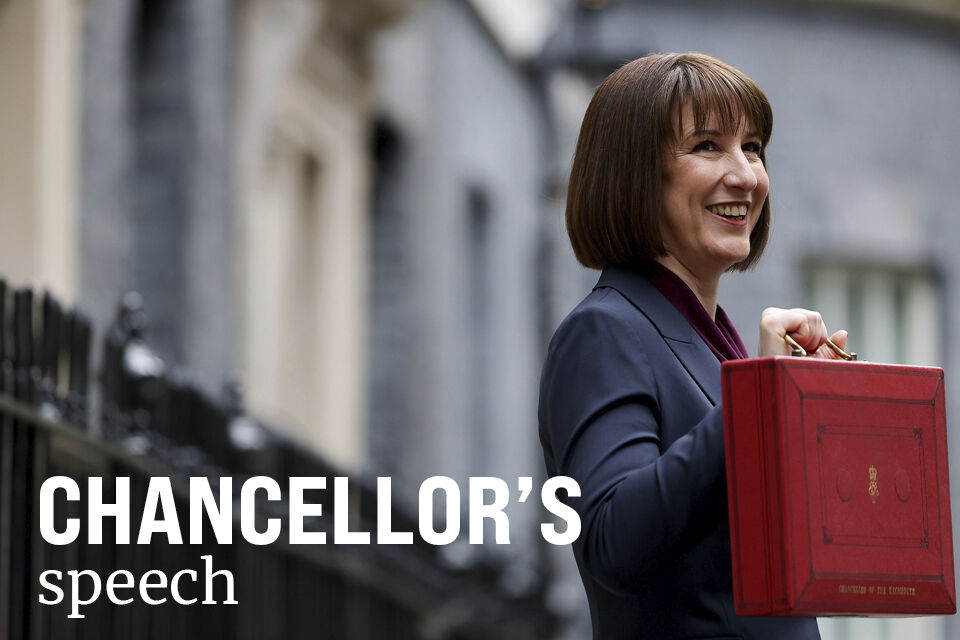
Chancellor Rachel Reeves delivered a much-anticipated budget on the 26th of November which detailed a wide variety of adjustments to a range of taxes, rates and allowances. There is a considerable amount of ground to cover in the Autumn Statement 2025, so let’s take a look at a summary of the headline changes below.
Personal Tax Rates & Allowances
An additional 2% of income tax will be levied on 3 types of income:
- Rental Income and Savings Income from April 2027
- Basic Rate - from 20% to 22%
- Higher Rate: from 40% to 42%
- Additional Rate: from 45% to 47%
- Dividend income from April 2026:
- Basic Rate – from 8.75% to 10.75%
- Higher Rate – from 33.75% to 35.75%
- The current income tax rate and national insurance thresholds will be frozen until April 2031.
- Salary sacrifice pension schemes to be restricted – any contributions made above a threshold of £2,000 will be subject to employer and employee NICs from April 2029.
- Dividend tax credits for non-UK residents are to be abolished from April 2026.
- Company-provided benefits must be payrolled starting from April 2027.
- The cash ISA allowance for under-65s will reduce from £20,000 to £12,000 from April 2027. However, the overall ISA allowance is not changing so the remaining £8,000 of the allowance will be available to use for stocks and shares ISAs in a bid to encourage investment.
National Living Wage
The National Living Wage and Minimum Wage is set to rise from April 2026. The wage increases per hour
are as follows:
- 21 and over – from £12.21 to £12.71
- 18 to 20 – from £10 to £10.85
- 16 to 17 and Apprentices – from £7.55 to £8
Business and Corporation Tax
- From 1st January 2026, a new first-year allowance rate of 40% will be introduced. This new rate is mainly aimed at leased assets and other types of assets not typically covered by the 100% First-Year Allowance. This new rate will be available to both incorporated and unincorporated businesses.
- The main writing-down rate (WDA) of 18% will be reduced to 14% for corporation tax from the 1stof April 2026. The same reduction will be applied to sole traders starting from the 6th April 2026.
- Late filing penalties for corporation tax returns due on or after 1st April 2026 are to be increased.
- Tax relief for working from home expenses for individuals on PAYE will be removed from April 2026. However, exemptions for employer-provided or reimbursed equipment will remain and the scope will be extended to include a new range of items.
- A new business rates relief scheme multiplier will be available for retail, hospitality and leisure businesses occupying properties valued at less than £500,000. However, those businesses occupying properties above this value will see their business rates rise.
Inheritance Tax
- IHT thresholds will be frozen until the 2030/31 tax year.
- From April 2027 pension pots will be brought into the scope of IHT.
- Agricultural Property Relief and Business Property Relief allowances of £1m will now be transferable between spouses. In practice, this means that up to £2m of relief could potentially be available for passing these assets on.
Other Taxes and Changes
A new council tax surcharge, called the High-Value Council Tax Surcharge will be levied from April 2026. A £2,500 surcharge will be levied on properties valued above £2m and a £7,500 surcharge will be levied on properties valued above £5m.
- Local authorities will soon have the power to implement a levy for overnight stays in hotels. However, this
- is not mandatory and will be up to the local authorities to decide.
- The Soft Drinks Industry Levy has been extended to include beverages containing 4.5g of sugar or more
- and will now also apply to milk or milk-proxy based drinks which were previously exempt.
- A new per-mile tax will be applied to Electric Vehicles (EVs) starting from April 2028. Drivers of EVs will be required to pay 3p per mile, whilst drivers of hybrid vehicles will be required to pay 1.5p per mile under the new scheme.
- Customs Duty will apply to all imports from March 2029 at the latest. The current threshold of £135 for
- low-value parcels will be removed.
- Fuel Duty has once again been frozen.
There were a much larger than usual number of changes announced in the Chancellor’s Autumn statement and this summary is not exhaustive. If you wish to read the budget in full to look at some of the finer points you can do so here.
However, over the next few months we will aim to publish articles that look at some of aforementioned changes in more depth in order to see how they might affect you and your business.
As always, if you would like any further information or support, please contact us.
If you're unsure about your liability or eligible exemptions, for further information and support, please contact us.
Topics
Archive
- 2026
- June 2026 (1)
- April 2026 (1)
- March 2026 (1)
- February 2026 (1)
- 2025
- December 2025 (1)
- August 2025 (1)
- July 2025 (1)
- June 2025 (1)
- May 2025 (1)
- March 2025 (2)
- February 2025 (1)
- January 2025 (1)