
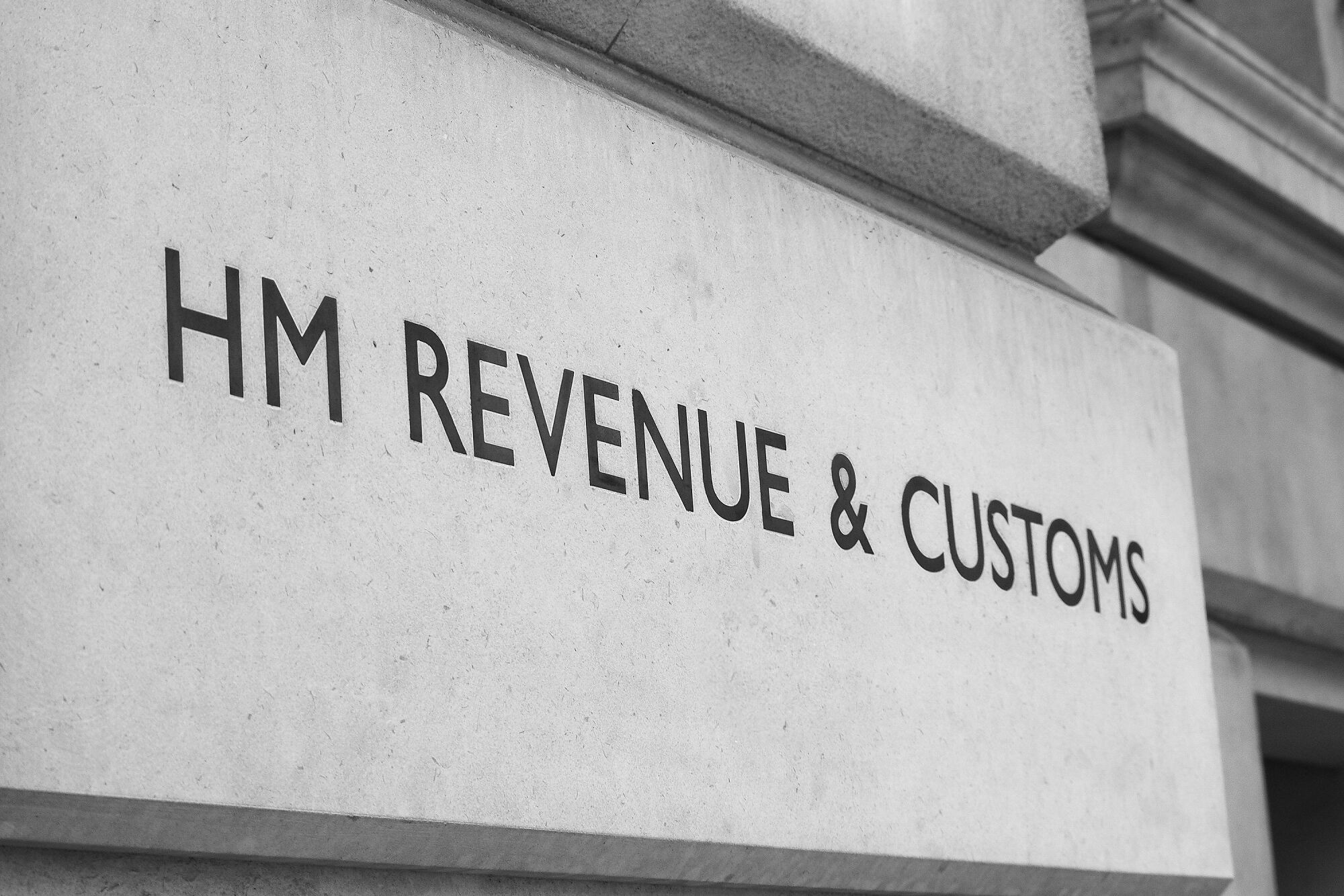
Chancellor of the Exchequer John Healey delivered his first Autumn budget to Parliament on the 28th of October 2026. There were no big surprises in this budget, nor any changes to the main rates of income tax and personal allowance as per the governments previous commitment.
However, there were a number of upcoming changes and tweaks to taxes and thresholds introduced that are worth keeping in mind for the next tax year.
Personal Tax and Capital Gains
Whilst there were no changes to the headline rates, from April 2027 the income tax rates on property and savings income will be increased by 2% in every tax band as follows:
- Basic Rate – will change from 22% to 24%
- Higher Rate – will change from 42% to 44%
- Additional Rate – will change from 47% to 49%
Some changes were made to the capital gains regime, specifically in relation to owners of businesses. The Business Asset Disposal Relief lifetime limit is to be halved from April 2027, from £1,000,000 to £500,000, whilst a new ‘Founders Relief’ rate of 10% is set to be introduced at the same time.
This rate is applicable under certain conditions which can be referenced on the government website. If a business qualifies, it will allow for a rate of 10% on when an individual sells shares in their business, up to a limit of £10,000,000 of gains.Minimum Wage Changes
The minimum wage is set to be increased from April 2027 at the following rates:
- 21 and over – from £12.71 to £13.21
- 18 to 20 – from £10.85 to £11.27
- Under 18s and Apprentices – from £8 to £8.31
Business Taxes and Administration
There were a variety of tweaks to business taxes in this budget. Grabbing most of the attention is the increase in the business rates threshold from the 1st of April 2027, from £12,000 to £18,000 for businesses in the retail, hospitality and leisure sector, which the government estimates will take 70,000 business out of the business rates regime altogether. The rate relief available for pubs and live music venues will also rise from 15% to 35%.
There has been a further adjustment announced to the writing down allowance on capital items. From April 2027, the main allowance will be cut from 14% to 12%. However, the first-year allowance is set to increase once again, from 40% to 50% from 1st January 2027.For sole traders, and particularly affecting those with small turnovers or ‘side-hustles’, the trading allowance is to be increased from its current rate of £1,000 to £3,000 from the 2027-28 tax year.
In regard to the use of vehicles for business, the mileage rate is set to be increased. The previously announced 55p per mile for the first 10,000 miles is to be made a permanent change, and in addition any miles beyond this will go from 25p to 35p per mile from April 2027.Flying slightly under the radar, from April 2027 Business to Business sales of services from overseas suppliers will no longer be eligible for the VAT reverse charge unless the receiving UK business is registered for VAT. This means that overseas suppliers will have to charge and account for UK VAT where their UK-based customers are not registered. For the UK-based customers of these services who are not VAT-registered, this will mean an increase in price for the use of services from abroad.
The Government has also cemented plans for e-invoicing to be mandatory from April 2029 for VAT invoices. HMRC will be responsible for ensuring that this is implemented, with more details yet to be announced.
Other announcements- A one-off £100 energy payment credit will be given to households in council tax bands A to D – no application is to be required for this payment if you pay your council tax by direct debit.
- The temporary 0% VAT rate for domestic electricity supply will be extended to 1st July 2027.
- The 5p fuel duty cut will be extended to 1st July 2027.
- Previously announced changes to cash ISA subscriptions are to be reversed. This means that the £20,000 cash ISA limit will remain in place and will not be reduced to £12,000.
- Stamp Duty Tax on Shares, a combination of two separate duties, is to be replaced with a new single Security Transfer Tax.
- The carers allowance is set to be changed from approximately 2030-31, where carers will no longer completely lose the allowance if their income surpasses the weekly threshold. Instead a £1 taper will apply for every £1 over the threshold.
Please feel free to contact us with any questions using the details on our website.
Topics
Archive
- 2026
- November 2026 (1)
- September 2026 (1)
- August 2026 (1)
- June 2026 (1)
- April 2026 (1)
- March 2026 (1)
- February 2026 (1)
- 2025
- December 2025 (1)
- August 2025 (1)
- July 2025 (1)
- June 2025 (1)
- May 2025 (1)